Fire suppression systems are designed to detect, control and suppress fires, reducing damage and protecting lives and property. These systems use a variety of agents, such as water, gas, foam or chemicals, to quickly and effectively extinguish fires.
They are commonly installed in residential, commercial and industrial buildings to provide immediate response to fires before emergency services arrive. Fire suppression systems prevent the spread of fire, reducing potential losses and ensuring safety.
Regular maintenance and proper installation are essential for their reliability and effectiveness in emergency situations.
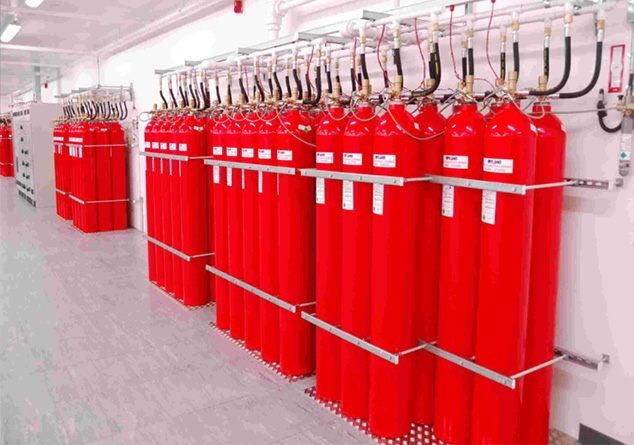
Gas-Based Fire Suppression Systems (CO2, Novec, FM200, Inergen)
Gas-based fire suppression systems use inert or chemical gases to suppress fires by reducing the concentration of oxygen or interrupting the chemical reaction of the fire. CO2 systems release carbon dioxide, quickly reducing oxygen levels and extinguishing the fire. Novec and FM200 are clean agent systems that extinguish fires without leaving any residue, making them ideal for sensitive areas such as data centers. Inergen is a mixture of gases that reduces oxygen levels to a safe level for people, while still effectively extinguishing the fire. These systems are typically used in areas where water or foam could damage valuable equipment or operations.
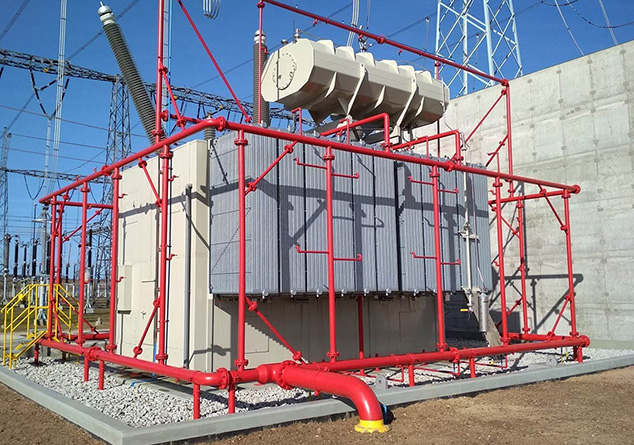
Water-Based Systems
Water-based fire extinguishing systems are the most common and use water to extinguish fires. They typically use sprinkler systems or hoses to deliver water to the fire.
These systems are effective in extinguishing fires in areas where water will not cause significant damage.
Water-based systems are often used in commercial, residential, and industrial buildings due to their reliability and cost-effectiveness.
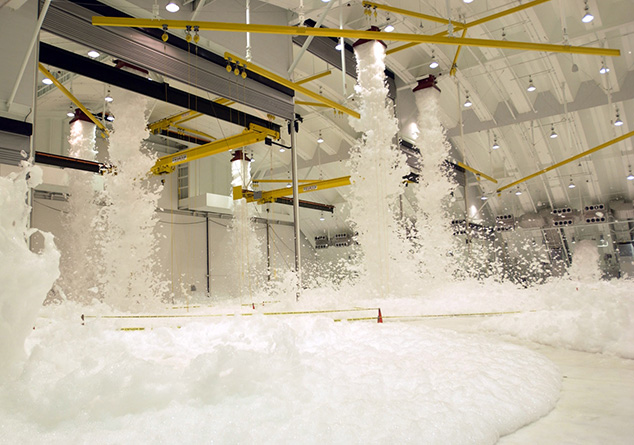
Foam-based systems
Foam-based fire extinguishing systems use foam to suppress fires, especially flammable liquid fires, by creating a barrier between fuel and oxygen.
Foam is very effective in preventing the spread of fire in areas with fuel storage, such as airports or chemical plants. Foam cools the fire and prevents re-ignition by smothering the flame.
These systems are essential for fire protection in environments with a high risk of fires caused by flammable liquids.
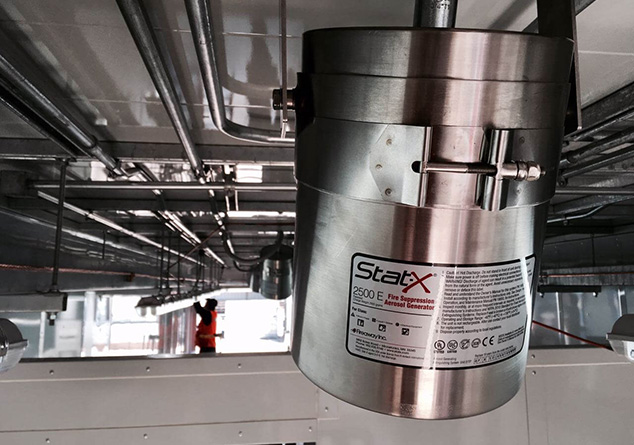
Aerosol Systems
Aerosol fire extinguishing systems release fine droplets of particles that absorb heat and interrupt chemical reactions in a fire. These systems are compact, easy to install and effective in confined spaces, making them suitable for small rooms or areas with limited access.
Aerosol systems are often used in areas such as electrical panels, server rooms and vehicles. They provide an effective and environmentally friendly solution for extinguishing fires.